aisol/blog
practice · numbers · Kazakhstan

A practical blog on AI in business

No fluff and no hype: how the platform automates processes at Kazakhstani companies, how to measure the effect, and where not to spend budget. Written from real process reviews and prototypes.

fresh · 8 min
technology

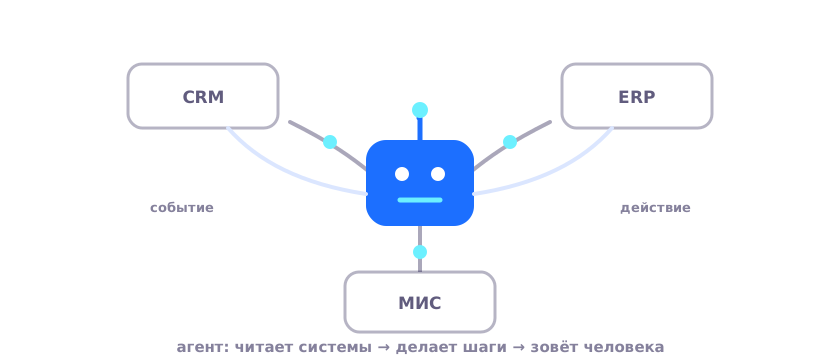
AI agents in plain language: what they do in CRM, ERP and HIS

An agent is not a chatbot and not a script. We explain with three everyday examples how an agent reads your systems, carries out the steps of a process, and when it calls in a human.

A
AISOL· July 6, 2026· 8 min read
Read article
getting started

Adopting AI in a Kazakhstan business: where to start in 2026

A step-by-step breakdown: which process to pick first, what data you'll need, and why a prototype matters more than presentations. No theory – just how it plays out in practice, step by step.


industries

AI in the clinic: less time on charts, fewer rejections from the fund

A doctor spends a third of the visit on paperwork, and defective cases surface during the fund's review. How the platform fills in charts by voice, codes ICD, and checks cases before submission.

departments

Automating your sales team with AI: what actually works

A CRM that reps never fill in is not a CRM. How the platform parses every call, keeps the records itself, and hands the manager a live pipeline by nine in the morning.

getting started

Which process to give AI first: a 7-question checklist

Not every process is worth automating first. Seven questions we ask during a process review, and by which you can find the best candidate yourself in half an hour.

economics

What AI adoption costs in Kazakhstan: subscription versus project

We break down two payment models: custom development with a fixed quote, and a subscription platform. We calculate the full cost of ownership over three years, with figures in tenge.

getting started

An AI prototype in a week: how it works and what you'll see

Why a prototype on the platform is configured in a week, while a project built from scratch takes half a year. What the prototype includes, what data is needed, and what the first demo looks like.

industries

Subscriber churn: how AI sees the risk before the cancellation request

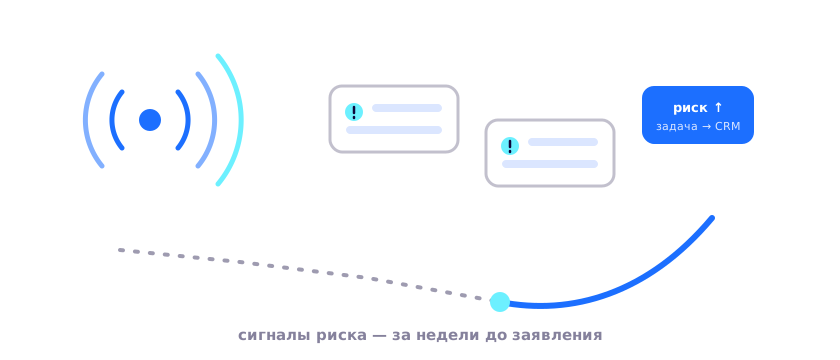
A subscriber almost never leaves quietly – the signals pile up in calls and tickets for weeks. Which markers the platform reads and how proactive retention is built.

departments

24/7 support in Kazakh and Russian: AI in customer service

Up to 60% of inquiries are routine. How the platform answers from the knowledge base in chats and by phone, routes the rest, and scores the quality of every conversation.

technology

When a system has no API: how AI agents work through the interface

An old accounting system with no API is not a death sentence for automation. How an agent sees the screen, fills in forms and posts documents exactly the way an employee would.

economics

Three mistakes in calculating the effect of AI – and how to count honestly

«We’ll save 30% of the time» – that’s not how you calculate the effect. We show an honest model: direct hours saved plus a lift in the outcome of the process, with examples from our assessments.

industries

AI in the quasi-public sector: minutes, assignments and regulations

Meetings, assignments, regulatory acts and tender documentation – four processes where organizations lose weeks. What the platform handles on its own and how it fits into your EDMS.

getting started

What data do you need for an AI prototype: less than you think

“Let’s clean up the data first, then roll out AI” is the most expensive mistake there is. What you actually need to start: sample calls, documents and exports for each scenario.

departments

Source documents without manual entry: AI in accounting

Acts, invoices, delivery notes and bank statements are the routine that eats up days. How the platform recognizes documents, including handwritten ones, and flags discrepancies in advance.

economics

AI platform payback: why the second scenario is cheaper than the first

A platform's economics differ from project economics: integrations, permissions and orchestration are built once. We break down what makes up a 6–9 month payback.

technology

Data inside the perimeter: how to adopt AI without letting data out

The main question security teams ask at every demo. We break down the platform's security model: the company perimeter, access control, the log of agent actions, and control points.

getting started

Five reasons AI projects die before production

From our project reviews: a pilot with no metric owner, automating chaos, doing everything at once, employees who distrust the tool, and a project instead of a platform. How to get past each of the five.

industries

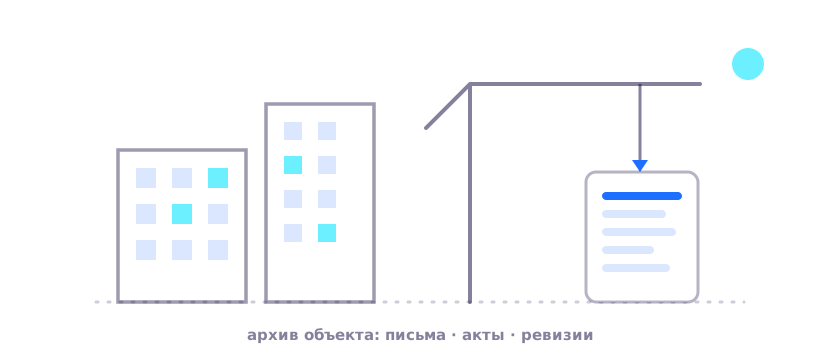
AI on the construction site: project documentation, letters and claims

Construction document flow means thousands of pages of correspondence, acceptance certificates and design decisions. We look at how AI agents search the archive, compare versions and draft responses.

economics

AI takes the busywork, not the jobs: what changes in teams

The fear of being replaced is the biggest brake on adoption. What actually happens to the roles of a doctor, a sales rep, and an accountant when the platform takes over the busywork.

technology

Live dashboards instead of weekly reports

A report assembled by hand by Friday is stale by Monday. How the platform pulls data from every system and keeps analytics live – with no exports.

economics

How to calculate the payback of an AI project: a 30-minute framework for executives

A simple framework for calculating the payback of an AI project: three methods, a formula with a worked example in tenge, and common mistakes. For executives in Kazakhstan.

technology

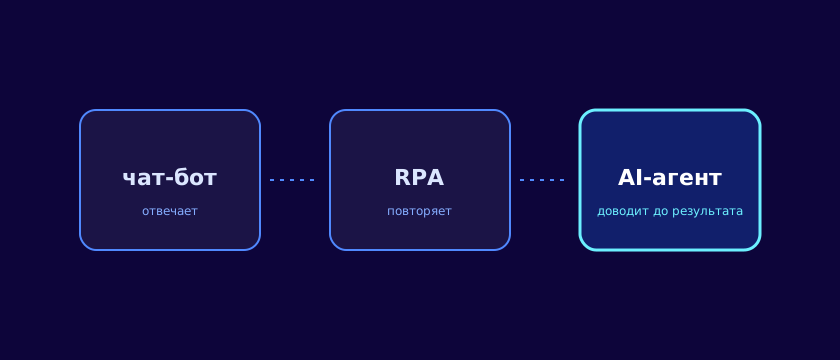
AI agent, chatbot or RPA: what to choose for your task

We break down the difference between an AI agent, a chatbot and RPA using Kazakhstani examples. A 4-question decision tree and a comparison table. How not to overpay.